Palm Jebel Ali isn’t just another island—it’s a statement of vision. Dubai “doesn’t wait for the future… it builds it.” With Jebel Ali slated to be larger, more connected, and offering sweeping sea views, it signifies Dubai’s continued ambition to reimagine its coastline and redefine luxury living.
1. Origins: A Grand Palm That Stalled
1.1 The Early Blueprint
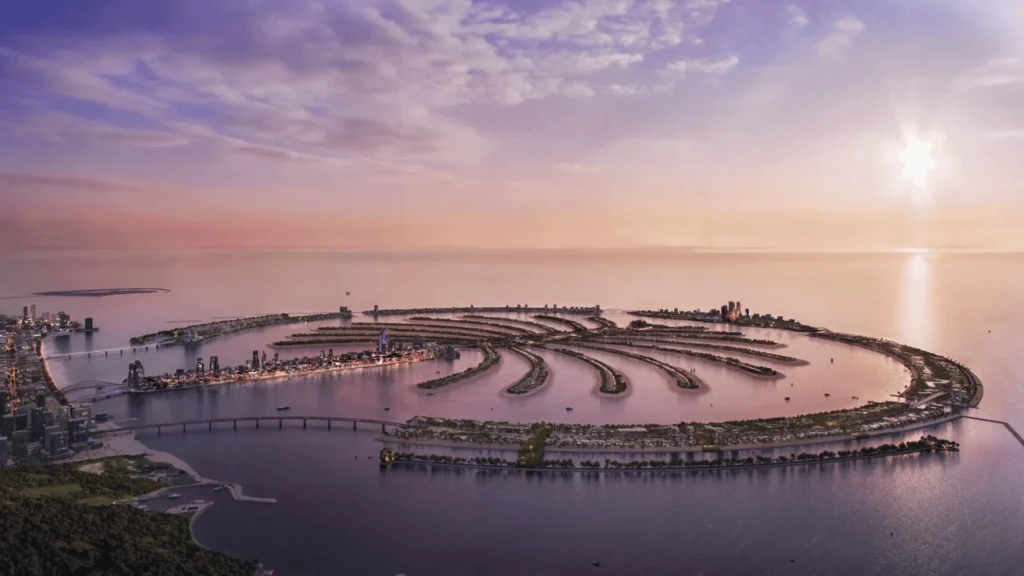
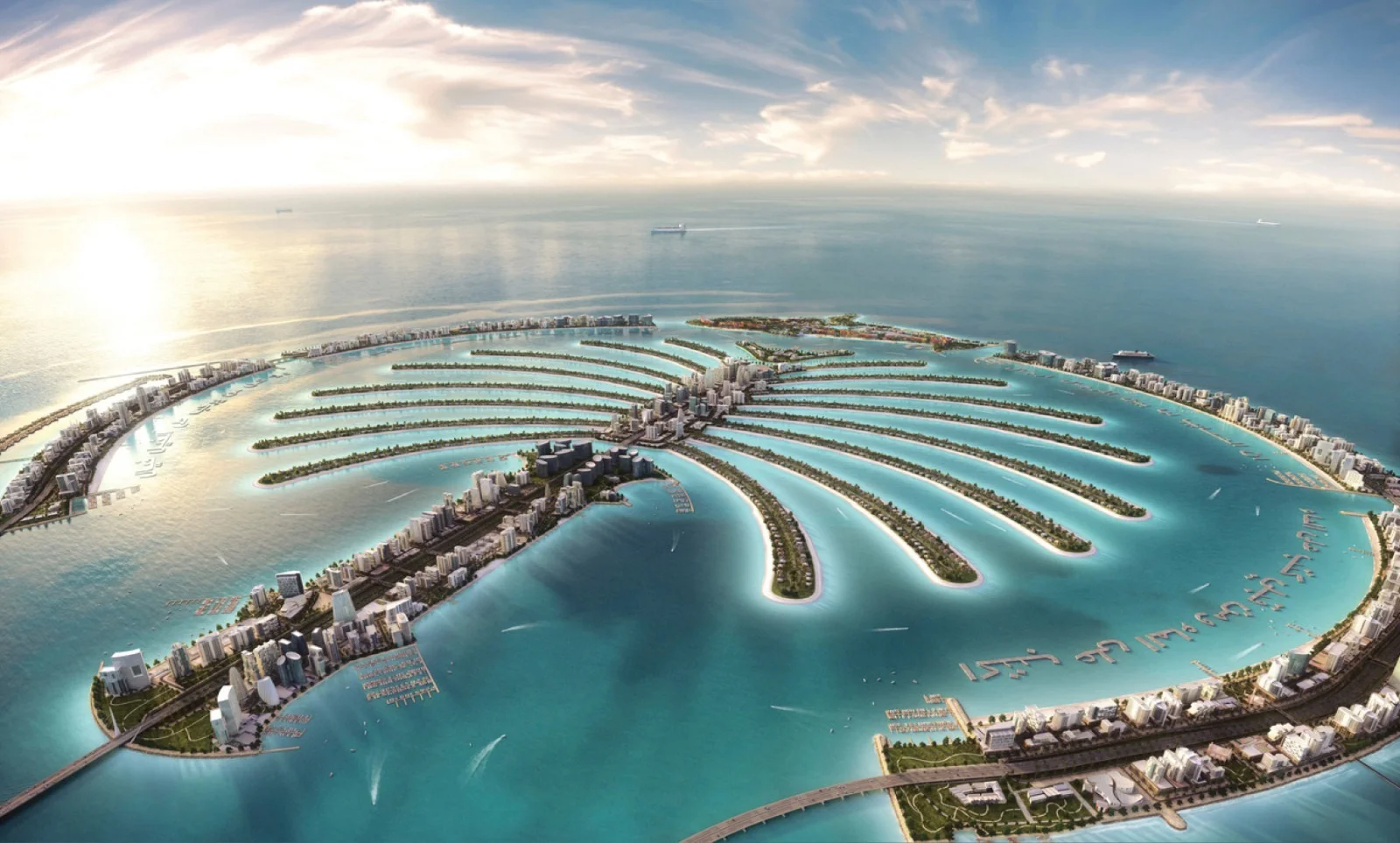
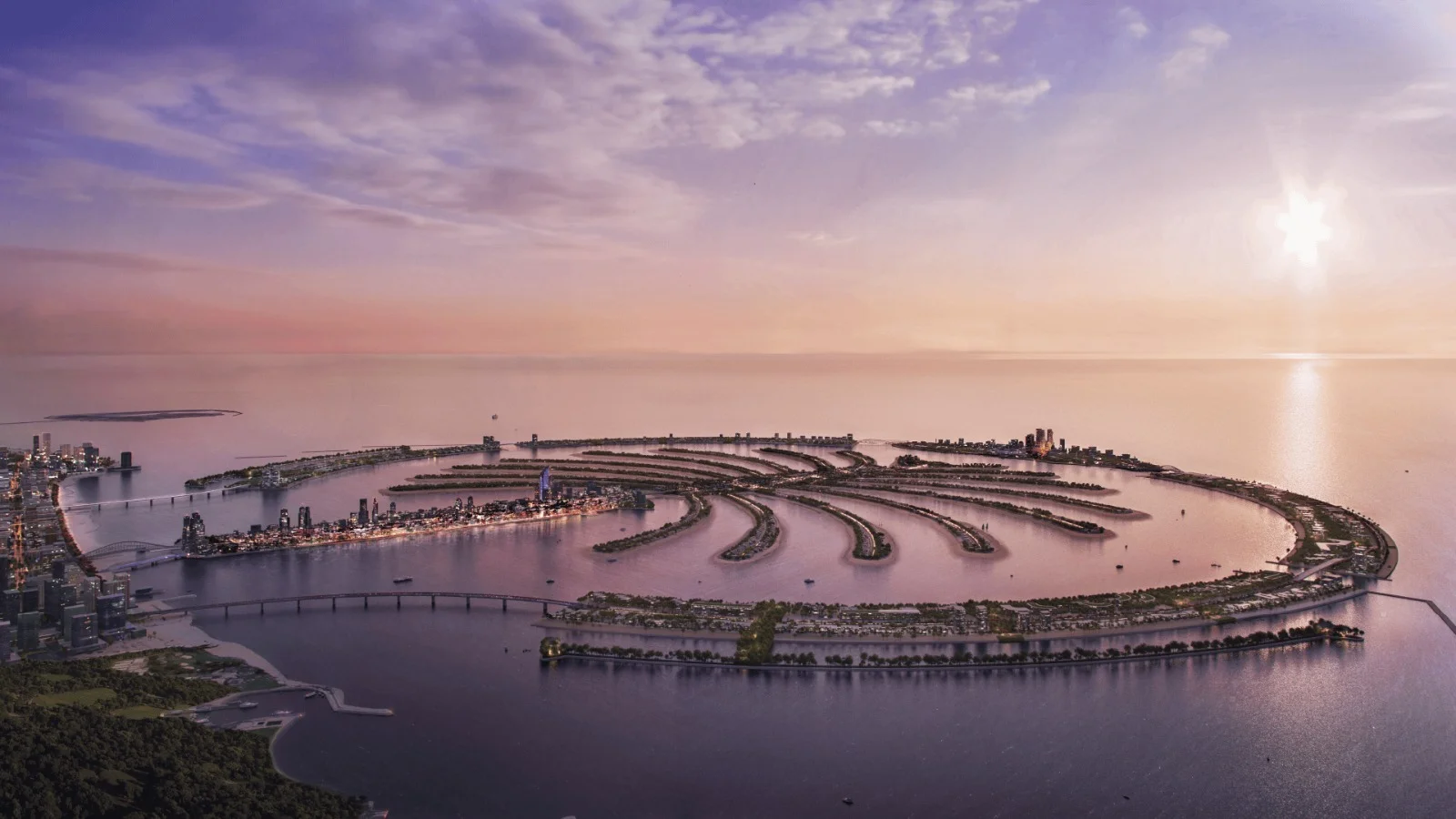
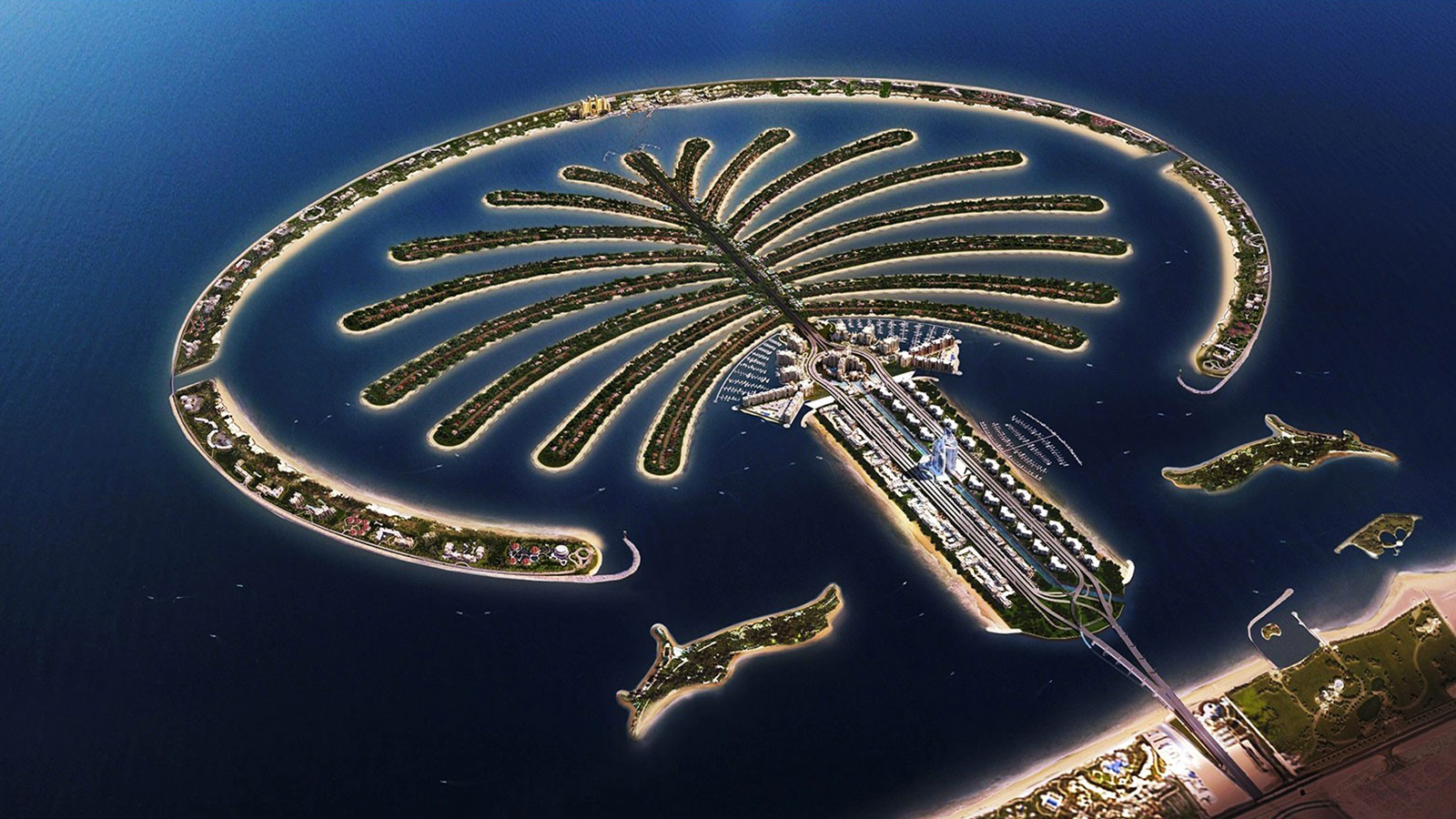
Originally conceived in October 2002, Palm Jebel Ali was envisioned to dwarf Palm Jumeirah—covering over 13.4 km², 16 fronds, seven islands, and around 110 km of coastline, making it the largest Palm Island ever planned.
At launch, features included:
- Six marinas
- A water theme park
- A “Sea Village” of stilt homes
- Boardwalks intended to spell out an Arabic poem by Sheikh Mohammed bin Rashid Al Maktoum.
Construction began rapidly: breakwaters completed by 2006, infrastructure activity by 2007. But the 2008 financial crash brought everything to a halt. Though Nakheel maintained that the project was still viable, progress ceased for many years.
1.2 Dormancy and Uncertainty
From financial crisis fallout to internal delays, the island remained dormant for over a decade. Proposed features, including the iconic poem‑boardwalks, were scrapped in later redesigns. Nakheel leadership repeatedly reassured stakeholders, but the pace remained slow.
2. Revival: A Bold Relaunch
2.1 2023 Relaunch & Master Planning
In May 2023, the project was officially relaunched as a flagship under Dubai’s 2040 Urban Master Plan and the Economic Agenda D33, aiming to catalyze a new growth corridor around Jebel Ali. The vision embraced:
- Twice the size of its predecessor Palm Jumeirah
- Massive expansion of coastline to 110 km
- Residency for ~35,000 families
- Over 80 hotels and resorts
- One‑third of public infrastructure powered by renewable energy
2.2 Infrastructure Acceleration
In mid‑2025, Nakheel awarded AED 750 million worth of contracts to DBB Contracting for:
- Roadworks and pavement across fronds A–G
- Utility connections (electricity, telecom)
- Public access infrastructure scheduled for completion by Q4 2026. This marks a true shift into execution.
Aerial footage and construction reports in late 2024–early 2025 show active land reclamation, beach profiling, and machinery deploying to prepare villa plots across fronds.
3. Project Overview: Scale & Ambition
3.1 Size & Structure
- Total land area: 13.4 km²—50% larger than Palm Jumeirah.
- Coastline: 110 km, with a 12‑mile breakwater crescent.
- Islands: Seven linked, sixteen fronds, plus a long central trunk.
3.2 Residential & Lifestyle Offerings
- Luxury waterfront villas on fronds, up to 2,000 beachfront mansions—more exclusive than Palm Jumeirah’s ~1,600 villas.
- First releases include The Beach Collection and The Coral Collection—spanning 7,300–12,000 sq ft each with floor‑to‑ceiling glass, private pools, and direct beach access.
3.3 Leisure, Retail & Tourism
- Over 80 hotels and resorts, marinas, beach clubs, entertainment zones, and sports facilities.
- A water theme park, Sea Village, yacht clubs, and retail centers.
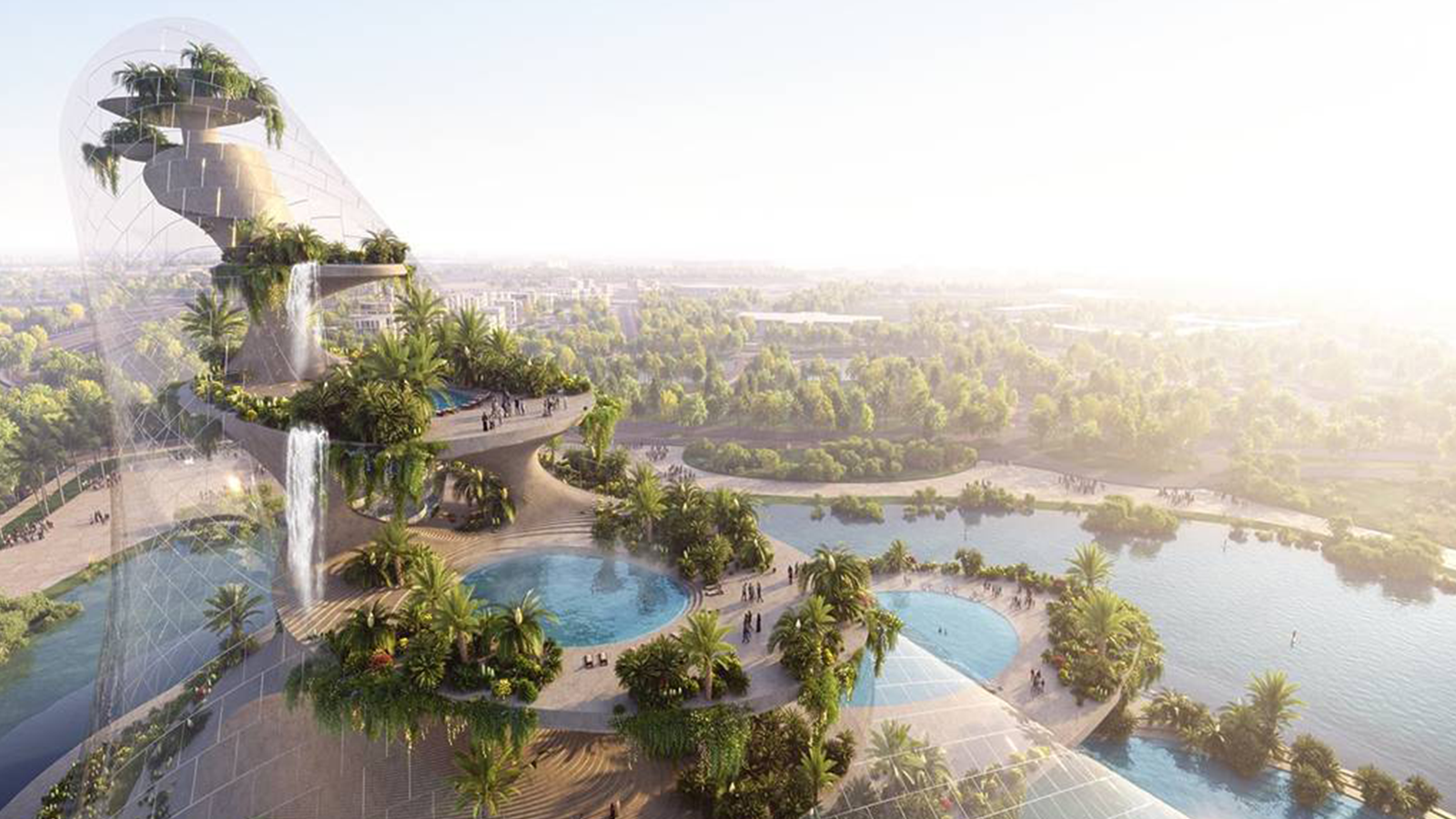
- Public beaches with zones for mangrove conservation, turtle rehabilitation, play spaces, and recreation.
3.4 Sustainability & Smart Infrastructure
- One‑third of public buildings powered by renewable energy (solar, wind).
- Integrated utilities for energy, telecom, and waste–water systems.
- Smart city technologies planned to enhance safety, efficiency, and pedestrian engagement.
4. Why Palm Jebel Ali Matters
4.1 Strategic Growth Corridor
The island anchors a new urban axis in Jebel Ali, complementing Dubai’s broader ecosystem: the port, free zones, and emerging tourism clusters.
4.2 Market Confidence & Investment
- Reports as of early 2025 indicate ~60% of planned properties sold before completion.
- Heightened investor interest reflects growing demand for waterfront luxury in Dubai.
The real estate narrative follows Dubai’s pattern: strategic reboots after crisis—transforming dormant assets into renewed opportunity.
4.3 Visionary Symbolism
Palm Jebel Ali is more than land reclamation—it’s architectural poetry, originally meant to spell an Arabic poem. While modified, the symbolism of “naming the water, defying limits” still looms large.
5. Development Timeline
6. Challenges & Considerations
6.1 Environmental Impact
Past Palm Islands like Jumeirah drew criticism for marine disruption, coral loss, and altered coastal dynamics. While reclamation techniques have improved, environmental monitoring remains vital.
6.2 Market Volatility
Dubai markets have faced cycles of real‑estate booms and slowed demand. Palm Jebel Ali’s success hinges on global investor confidence and macroeconomic stability.
6.3 Social & Economic Balance
With ultra‑luxury residences dominating early phases, ensuring accessibility and inclusive urban use will be key to the project’s long‑term social sustainability.
7. Looking Ahead: The Island of Tomorrow
The video’s tagline—“more connected, with sea views”—underscores the project’s ambition for accessibility, lifestyle, and vision.
- Connectivity: Integrated maritime access, planned roads, and transport links around Jebel Ali.
- Sustainability: Renewable energy, smart infrastructure, and eco‑zones like turtle sanctuaries.
- Residents & Visitors: Mixed-use zoning fosters both exclusivity (villas, beach clubs) and public activation (parks, marinas, beaches).
Palm Jebel Ali aims to be Dubai’s next signature address, realized not by luck but by strategic boldness.
8. What Palm Jebel Ali Teaches
- Visionary planning endures beyond crises. Launched in 2002, revived in 2023, built by 2028.
- Mega‑projects require patience and adaptation. Design changes reflected economic realities.
- Integration with broader plans matters. Aligning with Dubai 2040 and Economic Agenda D33 ensures cohesion.
- Sustainability is no longer optional. Renewable energy and environmental zones signal long‑term stewardship.
- Connectivity is critical. Marinas, walkable fronds, road access—all planned for seamless movement.
- Luxury need not isolate. Masterplan includes both private estates and public zones.
Conclusion: A Canvas of Vision More Than Sand
Palm Jebel Ali stands as a testament to Dubai’s enduring ability to dream bigger, delay no more, and build forward.
The short video’s message is clear: Dubai doesn’t wait—it creates. Palm Jebel Ali embodies that ethos—a land reclaimed, a coastline reshaped, a lifestyle launched, all on the promise that vision is more than sand.
When complete, this island won’t just offer villas and beaches—it will reflect a mindset in which water becomes architecture, coastline becomes legacy, and ambition becomes habitat.
If you’d like deeper coverage—such as investment trends, sustainability design strategies, or comparisons to Palm Jumeirah—I’d be happy to elaborate further.
Video Link: https://www.youtube.com/shorts/jeh6BX9PC3M